Chicken Bento
チキン弁当
Tokyo StationKanto
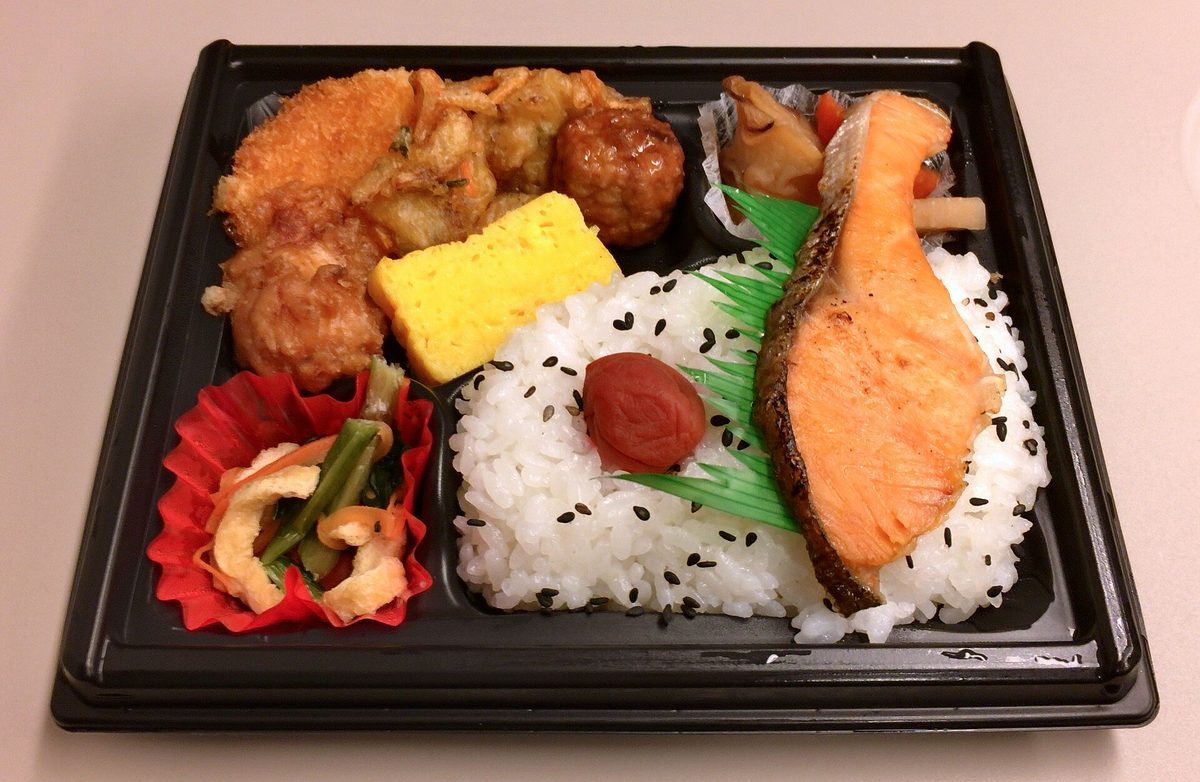
Rice (often with sesame and a pickled plum) plus a balanced grid: grilled fish, fish cake, rolled omelette, simmered vegetables, pickles.
| Sold at | Sold at stations nationwide (全国の駅) |
|---|---|
| Maker | Makers across Japan (全国の駅弁業者) |
| Area | Everywhere in Japan — Kanto |
| History | The form dates to Edo-period theatre meals; an ekiben since 1888 |
| What's inside | Rice (often with sesame and a pickled plum) plus a balanced grid: grilled fish, fish cake, rolled omelette, simmered vegetables, pickles. |
| The box | Varies by maker; traditionally a wooden box with a grid of small compartments. |
| Facts checked | 3 November 2026. Ekiben go on and off sale with seasons and makers' circumstances; if a journey depends on this box, confirm with the maker or the station shop before you travel. |
The makunouchi is not one product but the standard form itself — the box against which all other ekiben are measured. Its name means “between the acts”: in Edo-period kabuki theatres, these boxed meals were eaten in the intermissions. When railways arrived, the form came with them; the first standardised ekiben, sold at Himeji Station in 1888, was a makunouchi.
The classic layout divides the box into a rice section — white rice with black sesame and a pickled plum, or rice moulded into bales — and a grid of small tastes: grilled fish, kamaboko, tamagoyaki, simmered vegetables, a piece of meat, pickles. Every region makes its own, every maker guards its balance, and a good makunouchi is the safest recommendation in any station shop in Japan: it is the bento that cannot go wrong.
Keep travelling: More ekiben in Kanto · How to buy ekiben
“Makunouchi”, English Wikipedia (CC BY-SA 4.0)
“Ekiben”, English Wikipedia (CC BY-SA 4.0)
Photograph: Wikimedia Commons, as credited under the photo.